
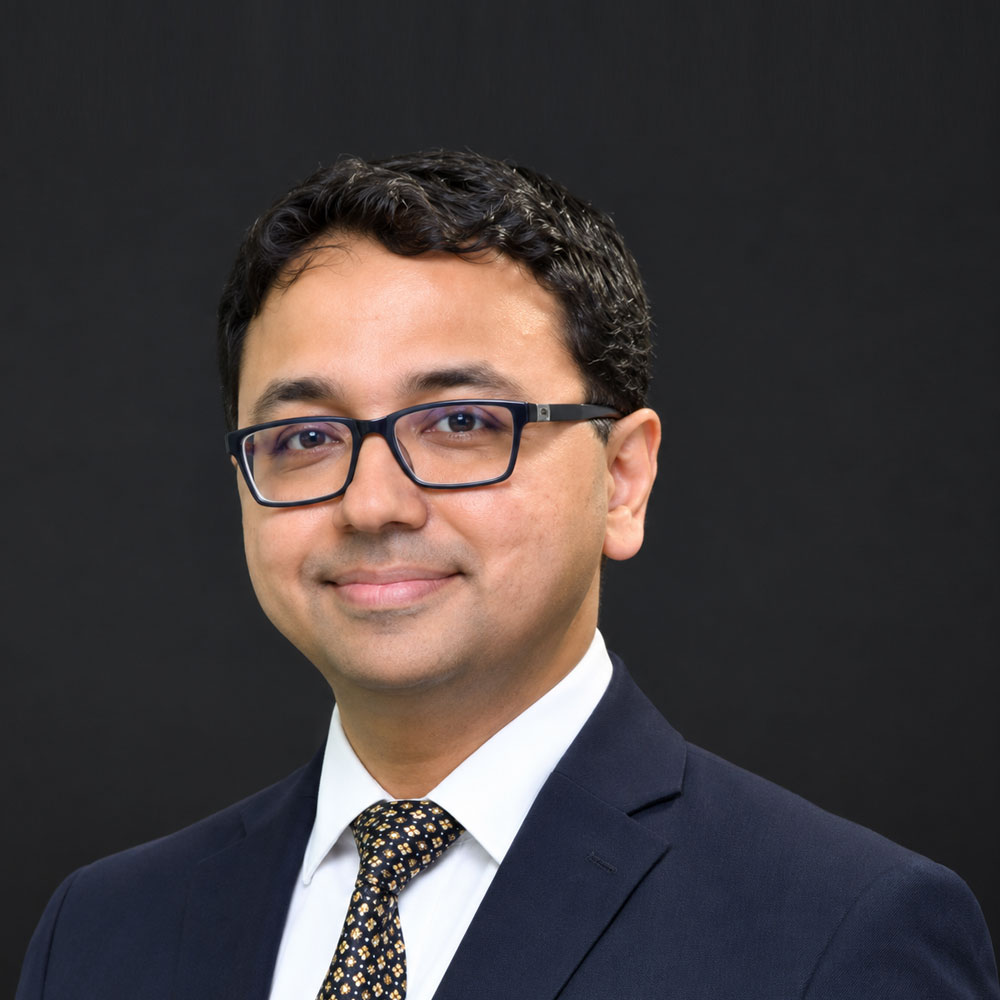
Mr. Rahul Goswami

Mr. Rahul Goswami

Chief Investment Officer - Fixed Income, Franklin Templeton Mutual Fund.

Rahul Goswami is chief investment officer (CIO) and managing director at Franklin Templeton, Fixed Income in India. In this role, Rahul oversees the fixed income functions of the locally managed and distributed debt schemes of Franklin Templeton Mutual Fund. Rahul was previously the CIO of fixed income at ICICI Prudential Asset Management (I-Pru) and a key contributor to the success of I-Pru's fixed income funds in India. Prior to I-Pru, he was a member of the Franklin Templeton India Fixed Income team, serving as portfolio manager from 2002 to 2004. Rahul also brings a wealth of experience from his time at well-regarded banks such as Standard Chartered Bank and UTI Bank. He has over 24 years' experience in managing fixed income funds. Rahul earned his M.B.A. and his bachelor's degree in science from Bhopal University.

Please note we have published the answers as it is received from the Fund Manager of Franklin Templeton Mutual Fund.

Q1. With the RBI holding the repo rate steady with a neutral stance while raising its inflation forecast amid global oil and supply-side risks, what are your expectations for the rate trajectory going forward?

Ans: As we look at the global interest rate environment, particularly in the United States, financial markets are currently pricing in the possibility of two additional rate hikes by the U.S. Federal Reserve over the next three quarters. This view is supported by the fact that U.S. economic growth continues to remain resilient, inflation has not cooled as much as anticipated, and unemployment remains relatively low at around 4.3%.

Given this backdrop, we do not believe the global interest rate environment can be described as particularly benign. The Reserve Bank of India (RBI) will remain mindful of external developments and global monetary policy trends. However, in our view, domestic economic factors will continue to play a much larger role in determining the direction of Indian interest rates.

Q2. Interest rates influence almost every asset class, from bonds to equities. How should investors understand the transmission of interest rate changes across different asset classes, and what are the key channels through which they affect investment returns?

Ans: Interest rates have a broad-based impact on the economy and different sectors could have varying degrees of sensitivity to changes in interest rates. Sectors like banks and NBFCs could see their net interest margin rising or declining with increase or decrease in interest rates respectively. Higher interest rates could discourage borrowing and reduce demand for real estate and consumer discretionary sectors. Higher interest rates raise borrowing costs for companies and could lead to postponement of capital expenditures.

On the fixed income side, bond yields are influenced by interest rate expectation. Bond yields and prices have an inverse relationship. Rising interest rates negatively impacts bond prices across tenures. Bonds with longer maturity profile are relatively more sensitive to changes in interest rates than bonds with shorter tenures. In a rising interest rate scenario, investors would prefer positioning at the lower end of the yield curve to reduce the negative impact of rising bond yields.

Q3. Investors often associate debt funds with safety, but different categories carry very different risks. How should investors understand the trade-off between credit risk and interest rate risk while selecting a debt fund?

Ans: Investors in fixed income markets are exposed to liquidity risk, credit risk and interest rate risk. The regulator has defined the broad categorization of fixed income mutual funds based on their maturity and credit risk profiles. For a conservative investor seeking to build an emergency corpus, a liquid fund would be more suitable than a long-distance fund as a liquid fund invests in money market instruments with very short maturities and carries relatively less interest rate risk. On the other hand, an investor seeking to benefit from decline in interest rates could take exposure to long-distance funds as they are more sensitive to interest rate changes. Investors seeking higher accrual gains often seek funds with higher yield to maturity. However, higher yields could often be associated with higher credit risk due to exposure to bonds with relatively lower credit ratings. This increases the credit risk of the fund and investors should be aware when taking exposures on the basis of higher yields.

Q4. Higher portfolio yields can appear attractive, but they often come with additional risks. Why should investors avoid selecting debt funds based solely on yield, and what other factors deserve equal attention?

Ans: Higher yields are often associated with higher credit risk. Investors should evaluate the portfolio quality and avoid funds with a predominantly lower credit profile if such funds are not in line with their risk appetite. Further, it would be prudent for investors to align their investments with their investment horizon and risk profile. Investors should take the help of mutual fund distributors and financial professionals who can help them select suitable funds to meet their financial needs.

Q5. In a credit market where external ratings may lag real developments, what does your in-house credit evaluation framework look like — and how do you assess a company's true debt-servicing ability?

Ans: At Franklin Templeton, we adopt a robust investment framework for credit evaluation and portfolio construction. We go beyond ratings through in-house research by leveraging our strengths on the equity research side. Our investment process begins with our macro-economic view with an in-depth analysis of macro factors, quantitative analysis and forecast of future macro trends. Further, we undertake an in-depth credit analysis, asset-liability match and yield curve analysis for issuers to be included in our portfolio. We regularly monitor and evaluate the credit profile of issuers in our portfolios and seek to maintain high quality portfolios comprising sovereign securities and high rated corporate debt instruments.

Q6. What are the most important parameters investors should evaluate before selecting an Arbitrage Fund or a Liquid Fund? Beyond recent returns, what factors deserve close attention, and what are the common mistakes investors should avoid while evaluating these schemes?

Ans: Arbitrage funds are equity-oriented hybrid mutual funds that seek to generate returns by simultaneously taking offsetting positions in the cash and derivatives markets. They aim to capture arbitrage opportunities arising from temporary price differences between the two markets, while minimizing directional equity market risk through hedged positions. These funds are suitable for investors seeking a temporary parking avenue for money to be invested or deployed elsewhere. Since these are equity-oriented funds, the taxation applicable to capital gains from these funds is similar to equity funds. Investors should evaluate the performance of these funds over different market cycles to assess their volatility and select funds which align to their risk appetite. The investment horizon for investing in arbitrage funds could be from few months up to a year.

Liquid funds invest in money market instruments with maturity up to 91 days. This makes them suitable for very conservative investors with an investment horizon of few days to a month. This can be a suitable option for investors seeking to create an emergency corpus which can be accessible anytime with relatively less volatility. Investors can seek the services of mutual fund distributors and financial professionals for selecting funds suitable for their needs.

Note: The responses and views presented in this document have been provided by the investment team of Franklin Templeton Asset Management (India) Pvt. Ltd.

Mutual Fund investments are subject to market risks, read all scheme related documents carefully.
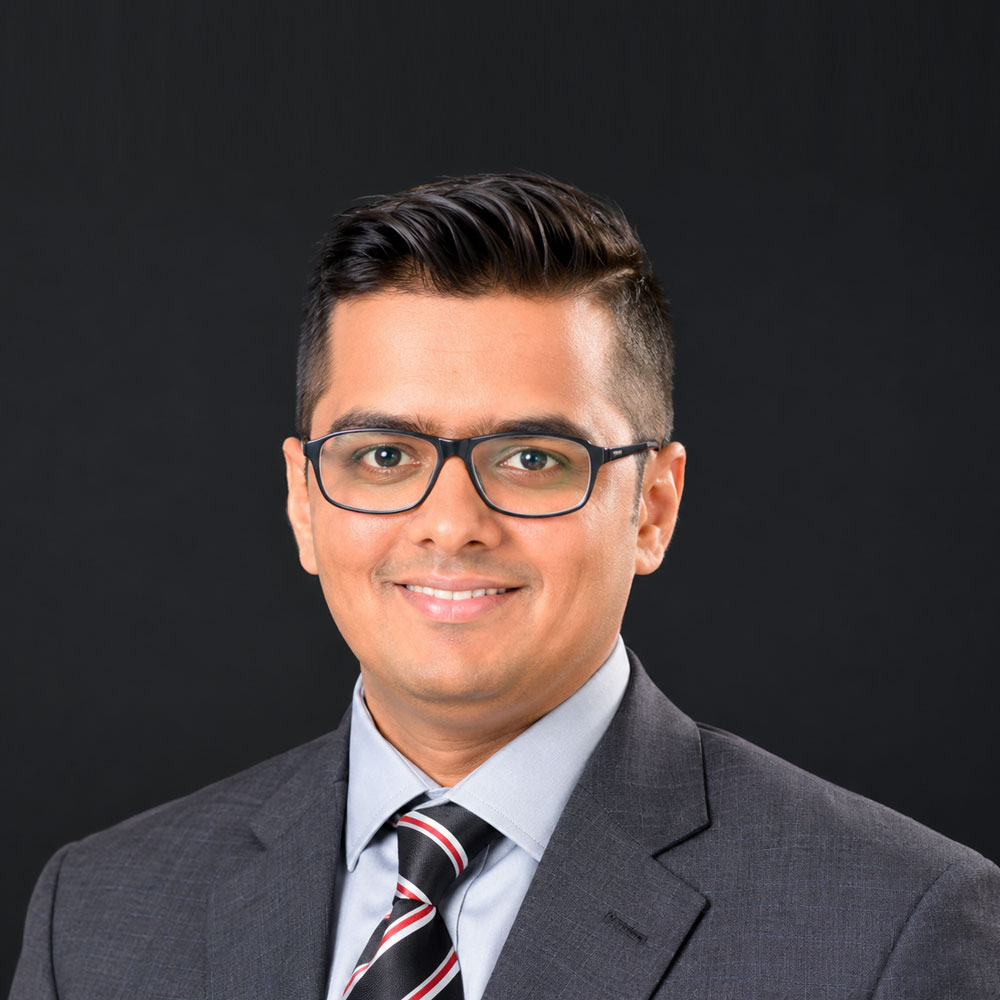
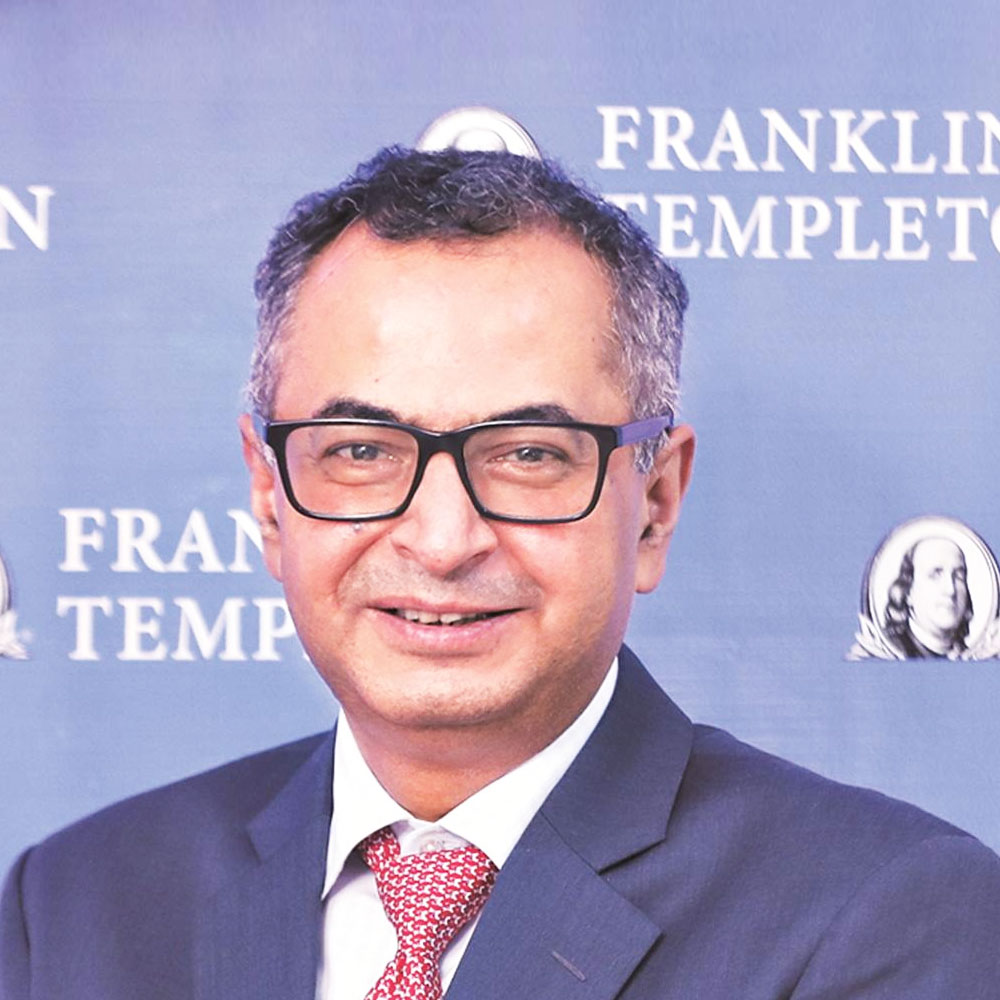
Mr. Janakiraman Rengaraju

Mr. Janakiraman Rengaraju

Portfolio Manager - Equity, Franklin Templeton Mutual Fund.

Janakiraman Rengaraju is vice president and portfolio manager for Templeton Global Investments. He manages several equity strategies, including Franklin India Prima Fund, Franklin India Opportunities Fund, and Franklin India Smaller Companies Fund. He is also co-portfolio manager for Franklin India Equity Advantage Fund, Franklin India Equity Fund, and Franklin India Taxshield. Mr. Rengaraju has been in the investment management Industry since 1997. He started his career with Franklin Templeton in 2007. Prior to joining Franklin Templeton he was managing the investment corpus of Indian Syntans Group, a Chennai based privately held group of companies. Before this he worked for UTI Securities, Mumbai. Mr. Rengaraju earned a Post Graduate Diploma in Management from the Indian Institute of Management, Bangalore, in 1995 and a Bachelor of Engineering from the Government College of Technology, Coimbatore, in 1992. He is also a Chartered Financial Analyst (CFA) charterholder

Please note we have published the answers as it is received from the Fund Manager of Franklin Templeton Mutual Fund.

Q1. With markets recovering despite a mixed global macro environment, do you believe the worst of the recent headwinds is behind us? What indicators would you watch to distinguish a durable trend change from a temporary relief rally?

Ans: The immediate pressure on markets appears to have eased, though it may be premature to conclude that all headwinds are behind us. Moderating tensions in West Asia and Brent crude returning closer to pre-conflict levels have reduced near-term risks to inflation, the currency and India’s external position.

Valuations have also become more reasonable. MSCI India’s premium to MSCI Emerging Markets narrowed to 75%, from 119% in 2025 and 164% in 2024. On a price-to-book basis, the premium declined from 164% in August 2024 to around 37%, below its 10-year average of 93%.

However, valuations alone cannot sustain a recovery. India’s earnings are closely linked to domestic growth, making broad-based profit growth and actual earnings delivery critical. The weak start to the monsoon also warrants monitoring, although healthy reservoir levels offer some cushion.

  • Earnings: Profit growth should broaden across sectors and earnings revisions should stabilise. Consensus currently indicates an earnings trajectory of ~ 12% to 14% CAGR over FY27–FY28.

  • Domestic demand: Credit growth, automobile sales, power consumption, cement volumes, rural wages and private capital expenditure should remain resilient.

  • Macro stability: Crude oil, inflation, the monsoon and the rupee will influence consumption, corporate margins and investor confidence.

  • Market breadth and flows: Domestic institutions invested USD 8.7 billion in June 2026, offsetting FPI outflows of USD 3 billion. With global investors still underweight India, stronger earnings visibility and lower currency volatility could support a gradual return of foreign flows.

Overall, while macro risks have not fully receded, the combination of more reasonable valuations, gradual earnings recovery and sector-specific opportunities suggests a healthier medium-term outlook for Indian equities.

Q2. Investors often focus on buying good businesses, but even great companies can become poor investments if purchased at excessive valuations. How do you strike the balance between business quality and price while making investment decisions?

Ans: Quality and valuation are two parts of the same investment decision. A strong company can still produce a weak investment outcome if its market price already assumes near-perfect execution.

We assess quality through the company’s growth runway, competitive position, earnings visibility, governance, management capability, cash-flow generation and return on capital. We also examine whether the business can sustain its advantages and adapt to changes in technology, regulation and competition.

We then estimate intrinsic value using methods appropriate to the business and test the assumptions under base, upside and downside scenarios. A durable and predictable company may justify a higher valuation than a cyclical business, but quality does not justify an unlimited price. Equally, a low valuation is not attractive if governance is weak, capital allocation is poor or the business is structurally deteriorating.

The objective is to invest in businesses capable of compounding value over time, but only at a price that provides a reasonable margin of safety. This may require waiting for a better entry point or reducing exposure when valuation moves materially ahead of fundamentals.

Q3. Investors and even distributors often judge funds and markets on point-to-point returns, which can look dramatically different depending on the start and end date chosen. Why do rolling returns offer a fairer picture of both fund performance and the equity investing experience, and how should investors use them to set realistic expectations?

Ans: Point-to-point returns capture only one investment period and can be significantly influenced by the dates selected. Rolling returns offer a more balanced assessment by measuring performance across multiple entry points and market cycles. For example, five-year rolling returns evaluate every available five-year holding period rather than a single start and end date.

This helps investors assess return consistency, the range of outcomes, downside experience and performance relative to the appropriate benchmark. For long-term equity funds, five-year or longer rolling periods are generally more meaningful.

Investors should focus on the median return, dispersion of outcomes and benchmark-relative consistency rather than the best historical result. Rolling returns cannot predict future performance, but they provide a more realistic basis for viewing equity returns as a range of possible outcomes rather than a fixed or assured number.

Q4. Wealth in equities is often attributed to picking the right fund or timing the right entry, yet history suggests the holding period matters far more than either. From your experience across market cycles, what truly separates investors who compound wealth over 15–20 years from those who don't?

Ans: The main difference is generally not the ability to forecast market turning points, but the discipline to follow a suitable investment plan across multiple market cycles. This means starting early, investing consistently, increasing contributions as income grows and remaining committed during market corrections.

Equally important is maintaining an asset allocation aligned with one’s need, risk appetite, liquidity needs and investment horizon. For needs more than five years away, diversified equity categories such as flexi-cap and multi-cap funds can provide exposure across market capitalisations and sectors, while the SIP route can help investors use market volatility to accumulate more units at lower prices.

Starting early is equally important. To target ₹5 crore by age 60, assuming a 12% annualised return, an investor beginning at age 30 would need to invest approximately ₹14,165 per month. Delaying the start by five years would increase the required monthly investment to around ₹26,350.

Fund selection and entry valuation still matter, but long-term wealth building is often shaped more by time, rising contributions and the ability to avoid emotionally driven exits. The greatest advantage is not one perfectly timed decision but allowing a disciplined investment plan sufficient time to compound.

Q5. Every fund manager follows a distinct investment style, and every style goes through phases of being out of favour. Assume if your scheme is currently underperforming, what would be your advice to investors? How should they decide whether to remain patient or consider switching?

Ans: Underperformance should be reviewed, but recent returns alone should not drive an exit. Investors should first determine whether the weakness reflects a temporary phase for the fund’s investment style or a more fundamental concern.

Patience may be appropriate if the fund remains true to its mandate, the investment team and process are stable, portfolio holdings continue to be supported by fundamentals, and the risk profile remains consistent with the stated strategy. For instance, a quality- or valuation-oriented fund may temporarily lag when markets favour momentum or highly valued themes.

The assessment period should also match the fund’s investment horizon. A few quarters may be insufficient to judge a long-term equity strategy. Performance should be evaluated against the appropriate benchmark and comparable peers, preferably across a broader market cycle.

A switch may be considered if there is persistent style drift, a material change in the investment team or process, deterioration in portfolio quality, unexplained risk-taking, deviation from the scheme mandate, or sustained underperformance that cannot be reasonably linked to the fund’s stated style.

The key is to distinguish between temporary underperformance within a credible investment process and evidence that the original reason for investing in the fund has weakened.

Q6. SEBI data shows the vast majority of retail F&O traders lose money, yet derivatives volumes keep rising while the same investors hesitate to commit to long-term SIPs. What explains this paradox, and how can the discipline of investing be made as compelling as the excitement of trading?

Ans: The paradox is largely behavioural. Derivatives offer instant feedback, frequent opportunities and large market exposure for a relatively small upfront amount. This combination can make trading feel more rewarding than the gradual progress of long-term investing, even when the probability of success is low. SEBI’s study found that 93% of individual equity F&O traders incurred losses between FY22 and FY24, with aggregate losses exceeding ₹1.8 lakh crore.

Trading activity has nevertheless continued to expand. In 1QFY27, the average daily number of options contracts on BSE increased 91% year-on-year to 156 million, while MCX recorded a 248% rise to 13.8 million contracts. Easier access, leverage, overconfidence and the urge to recover earlier losses can keep participation elevated despite poor aggregate outcomes.

The SIP journey presents a more constructive picture. Aggregate SIP flows grew approximately sevenfold at a 26% CAGR between FY17 and FY26. As of May 2026, total SIP accounts stood at 10.47 crore, up 15.6% year-on-year, while SIP assets increased 17% to ₹17.12 lakh crore.

The industry also registered 54.16 lakh new SIPs during May, although registrations were 8% lower year-on-year. Importantly, the share of SIP assets held for more than five years increased to 31% in March 2026 from 30% a year earlier, indicating a gradual improvement in holding behaviour. Monthly SIP contributions subsequently reached ₹31,781 crore in June 2026.

To make investing more compelling, its progress must be made visible. Linking SIPs to specific needs, tracking milestones, automating contributions and periodically increasing the investment amount can provide a stronger sense of achievement.

Investing need not replicate the excitement of trading. Its appeal should come from turning regular contributions into measurable progress towards long-term financial needs.

Source: Internal Research
Mutual fund investments are subject to market risks, read all scheme-related documents carefully.

Mr. Pradeep Kesavan

Mr. Pradeep Kesavan

Chief Investment Officer - Equity, SBI Mutual Fund.

Pradeep is the Equity Strategist with SBI AMC and has over 20 years’ experience panning Corporate Finance, Corporate Strategy, Investment analysis, and research. He has worked extensively in public as well private markets across areas like equity strategy, private equity due diligence, M&A and Corporate strategy, merger integration as well as analysis of corporate fundamentals and strategies using proprietary frameworks. As the equity strategist he tracks and analyses key macro as well as micro factors that affect capital markets using a combination of quantitative and fundamental techniques to provide sector allocation calls. Pradeep joined SBI AMC in Jul’21. Prior to SBI AMC, he has spent 9 years with Morgan Stanley, 4 years in Accenture Strategy Consulting and 4 years with Elara Capital as Equity Strategist. He holds a Bachelor’s degree in Commerce, Masters in Business Administration and is a CFA Charter holder.

Please note we have published the answers as it is received from the Fund Manager of SBI.

Q1. Despite sustained FII selling in recent months, domestic institutional flows and SIP contributions have continued to absorb the pressure. How significant is this structural shift towards domestic ownership of Indian equities, and does it fundamentally change how investors should think about market resilience going forward?

Ans: FII’s ownership in Indian Equities has seen a sharp decline over the last 5 years. From ~20% in 2020, its now down to ~16%. Correspondingly, domestic institutional share has increased from ~16% to ~19.5% currently. However, there is some evidence to suggest that while domestic participation makes markets more stable and resilient, FIIs tend to contribute more towards market direction (both upside and downside). Therefore, from a retail investor perspective, they could expect a more stable market profile as domestic investors’ share in the market increases.

Q2. Even as markets have remained in a prolonged consolidation phase, corporate earnings have continued to compound- meaning valuations have quietly moderated from their peaks. Does this reset improve the risk-reward for long-term investors, and what triggers could drive the next sustained up-move in Indian equities?

Ans: Yes, from the peak valuation levels seen in 2024/25 levels, the market valuations (especially of largecaps) have corrected meaningfully and at current levels are trading close to long term averages. But having said that FY26 earnings growth came in at single digit on the back of a low base of FY25 (which was ~1% growth). So overall earnings delivery hasn’t been strong over the last two years. Looking ahead, there is a strong expectations for earnings recovery and we believe conditions look reasonable for a strong FY27. Receding macro (crude and currency) risks and improving geopolitics (US-Iran war, to lesser extent Russia-Ukraine) will be key catalysts.

Q3. After two years of sideways markets, many investors are seeing modest or even single-digit SIP returns and questioning whether SIPs "work." How should investors evaluate SIP performance during such phases, and why might continuing- or even stepping up- SIPs in flat markets matter most for long-term wealth building?

Ans: It is true that markets have been flat for the last couple of years now. This is par for the course in equity markets, where return expectations can’t be linear. Even at current levels, 3 year CAGRs look healthy. Therefore, retail investors should continue building their portfolios via SIPs. Investors who had continued their SIP discipline would be now sitting on a strong base of investments made at same level of NAVs for 2 years. When the markets restart their upward journey, the strong base of 2 years’ worth of investments will stand them in good stead.

Q4. Investors often evaluate active funds based on historical returns, but metrics such as active share can provide insight into how differentiated a portfolio is from its benchmark. How should investors interpret active share, and what role should it play when selecting active equity funds?

Ans: Investors in actively managed mutual funds do so with an expectation to outperform the benchmark indices. Therefore, there is an implicit expectation that the fund manager actively positions his/her portfolio in a manner to stand apart from the index. Active share is a measure of degree to which a portfolio stands apart from its benchmark. A higher active share therefore is an indication that the portfolio is more actively managed in the sense of it being materially different from the benchmark. However, there are nuances- one, standing apart from benchmark by itself is no guarantee that the returns will be “better” than the benchmark. It only ensures that the returns will be “different” from the benchmark. The onus of outperformance boils down to stock selection, even in portfolios with high active share. Second – there are times in market when a portfolio manager might want to reduce the benchmark risk in portfolio and reduce active share. In such cases the lower active share number is a deliberate call that the FM is taking. Therefore, “higher the better” is not always true when it comes to active share.

Q5. The recent concerns surrounding Rajesh Exports have highlighted how governance and disclosure-related issues can emerge even in well-known listed companies. What are some of the key warning signs that you look for when assessing management quality and financial reporting standards?

Ans: At SBI Mutual Fund, we have a robust forensic accounting framework that tracks multiple metrics over a long period of time. This framework also benchmarks these metrics vs other listed companies. So at any given point in time, we have a view on the accounting quality of any listed security and we know about the key red flags, if any. This is a broad and deep subject and a short answer will not do justice.

Q6. With markets volatile and range-bound, SIF strategies- particularly long-short and hedged approaches- are facing their first real test in Indian conditions. How have these strategies navigated the current phase, and does a sideways market actually make the strongest case for their inclusion in portfolios?

Ans: SIFs have been relatively new investment vehicles, and we believe the performance of such schemes needs to be assessed once we have a little longer time horizon of performance track record. Having said that, the long-short and hedged strategies are designed to generate positive returns in all market conditions and therefore they make a case for inclusion in investor’s portfolio when the markets trend sideways or downwards as well.

Source: Internal Research
Mutual fund investments are subject to market risks, read all scheme-related documents carefully.

Contact Us

Banyan Bliss
Office Address:
510, Navare Plaza, S. V. Road,
Above Haldiram Shop,
Near Swami Samarth Math,
Dombivli East Pin - 421201

Contact Details:
Milind Madhav Kale
Email id:- meetmoneyplant@gmail.com
Mobile No.:- 9322661502, 9653608655

e-wealth-reg
e-wealth-reg
